Extractive Sector
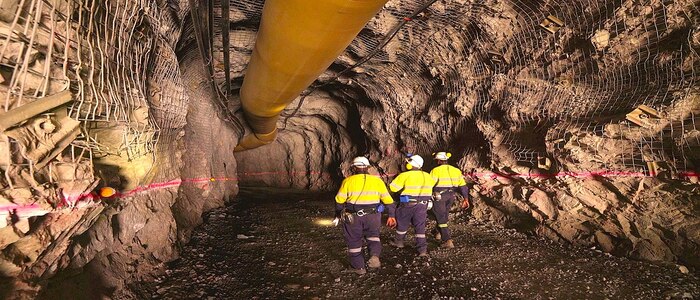
Tanzania's Extractive Sector, involving mining (gold, diamonds, tanzanite) and oil & gas (natural gas), is a source of foreign exchange and government revenue. The sector is characterized by large-scale foreign direct investment alongside substantial artisanal and small-scale operations.
The large-scale segments of the extractive sector in Tanzania employ advanced, capital-intensive technology. This includes sophisticated geophysical and seismic surveying for exploration, modern fast drilling techniques, and highly automated processing plants. Increasingly, companies are adopting digital solutions such as remote monitoring systems, data analytics, and the use of drones for surveying, inspection, and security, which enhances efficiency and safety. The government has also utilized digital systems for its Mining Cadastre to improve the management of mineral rights.
The people involved span the entire value chain. They include Artisanal and Small-Scale Miners (ASM), who form a large, informal employment base; highly skilled engineers, geologists, and technical experts employed by large-scale international companies; and a wide range of support personnel from logistics, finance, and human resources. Crucial regulatory and oversight roles are played by government entities like the Mining Commission, the Petroleum Upstream Regulatory Authority (PURA), and the Tanzania Petroleum Development Corporation (TPDC). Additionally, Civil Society Organizations (CSOs) are active in promoting transparency and local community rights.
Intellectual Property (IP) in the extractive sector primarily relates to technology and branding. Patents protect innovations in exploration methods, extraction chemistry, or processing machinery used by large companies. Securing these patents, often through regional bodies like ARIPO (African Regional Intellectual Property Organization), allows firms to license proprietary technology. Trademarks are essential for protecting the brand names and logos of mining and gas companies, as well as the unique identity of valuable minerals like Tanzanite, to maintain quality control and market confidence.
The central legal instrument is the Contract, which dictates the terms of investment and operation. These primarily take the form of Mining Development Agreements for mining and Production Sharing Agreements for oil and gas. Following major legislative reforms in 2017, Tanzania introduced the requirement for Local Content provisions in contracts (mandating local procurement and employment), a 16% minimum non-dilutable free-carried interest (FCI) for the government in major mining operations, and a ban on the export of raw concentrates. The Tanzania Extractive Industries (Transparency and Accountability) Act (TEITA) further mandates the disclosure of these contracts to promote transparency.
Legal Protection and Enforcement in the sector are governed by the Mining Act of 2010 (as amended) and the Petroleum Act of 2015, enforced by the respective regulatory bodies. A key feature of the post-2017 legal reforms is the assertion of Tanzania's permanent sovereignty over its natural resources. Enforcement focuses on ensuring timely payment of royalties and taxes, adherence to local content requirements, and compliance with environmental and safety standards. The Tanzania Extractive Industries Transparency Initiative (TEITI) plays a vital role in monitoring and reporting payments between companies and the government.